Who we are
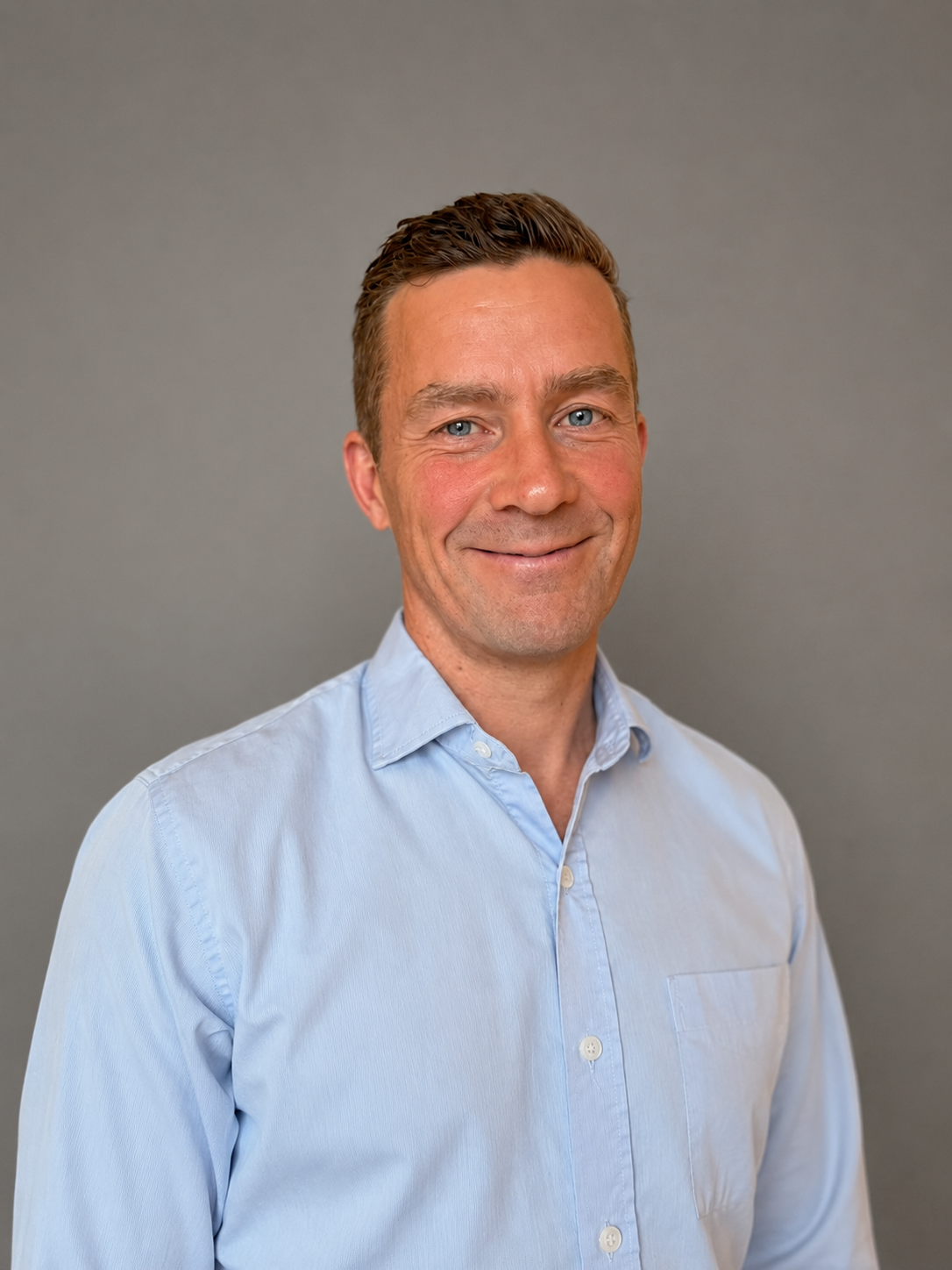
Patrick Dahlstrom is the founder of Hope For Families, a neuroscience-informed platform helping families understand how childhood environments shape the developing brain.
Hope For Families focuses on motivation, dopamine, emotional regulation, stress, modern childhood, and the early patterns that can influence long-term wellbeing.
Patrick is a prevention educator and speaker who translates neuroscience into practical ideas parents and professionals can use in everyday life.
His work is grounded in a simple principle:
What children experience repeatedly, the developing brain adapts to.
Neuroscience-Informed Prevention & Education
My work combines lived experience, neuroscience education, and practical prevention.
I have completed Medical Neuroscience through Duke University, and my work increasingly focuses on what happens long before a child reaches crisis: how everyday environments, relationships, stress, reward, technology, attention, and repeated experiences shape development over time.
Rather than waiting until behavior becomes a serious problem, I believe families should have access to this understanding earlier.
That means helping parents understand why motivation changes, why emotional regulation can become difficult, how modern environments influence attention and reward, and how small patterns repeated across childhood can become increasingly important over time.
The goal is not to pathologize ordinary childhood.
It is to understand development well enough to support it.
Speaking, Workshops & Education
Selected speaking and educational work includes:
• American Counseling Association — Selected Live Presenter, 2026 Suicide Prevention & Intervention Summit
Before the Crisis: Early Family Indicators of Mental Health Risk
• Society for Digital Mental Health — 2026 Annual Meeting
Presented Pre-Clinical Prevention: A Digitally Delivered Dopamine & Stress Literacy Framework for Families Before Crisis
• Sober Living Network — Professional Presentation
Dopamine, motivation, recovery instability, and early intervention
• University Research Interview — South Dakota State University
Dopamine and motivation in young men
• Community workshops, family education, and prevention-focused presentations
From Lived Experience to Brain-Based Prevention
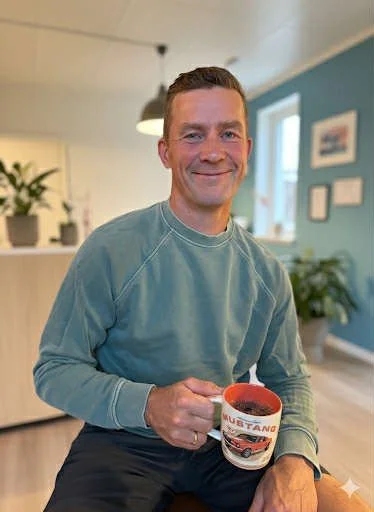
My name is Patrick Dahlstrom, founder of Hope For Families.
Years ago, I experienced addiction firsthand — the instability, the strain on relationships, and the constant search for something that worked.
Recovery was not simply about stopping.
It led me toward a much deeper question: why does the brain learn certain patterns so powerfully in the first place?
Understanding how the brain adapts, how reward and motivation change, how behavior is learned, and how repeated experiences shape us changed the direction of my life.
Over time, that question moved my work further upstream.
Today, I am interested not only in what helps people recover after patterns have become deeply established, but in what families can understand much earlier — while the brain is still developing and everyday environments are shaping behavior, motivation, emotional regulation, resilience, and relationships.
That is where Hope For Families sits.
Not at the point of crisis alone.
Earlier.
Core Philosophy
Prevention is not about fear.
It is about strengthening capacity before crisis.
Addiction and mental health risk rarely appear from nowhere. Development happens over years, through an ongoing interaction between biology, relationships, stress, learning, environment, and experience.
Understanding those processes gives families more opportunities to respond early — without blame, panic, or shame.
What Hope For Families Exists to Do
Hope For Families exists to help families:
• Understand how the developing brain learns from everyday experience
• Support healthy motivation and emotional regulation
• Build environments that strengthen resilience
• Navigate technology and high-stimulation childhood environments more intentionally
• Recognize early patterns before they become entrenched
• Understand addiction and recovery with greater clarity
• Strengthen relationships and connection over time
This work is grounded in empathy, but guided by science.
No shame. No panic.
Just clearer understanding, practical tools, and a longer view of childhood development.
To understand the foundation behind this work, read our full guide on dopamine, motivation, and behavior in children.
Closing
This work is grounded in empathy — but guided by science.
No shame.
No panic.
Just clear understanding, practical tools, and long-term strategy.
To understand the foundation behind this work, read our full guide on dopamine, motivation, and behavior in children.
Contact us
Interested in working together? Fill out some info and we will be in touch shortly. We can’t wait to hear from you!